

Reasons Your Tooth Might Hurt After a Filling
Posted in Tooth Filling | August 15, 2026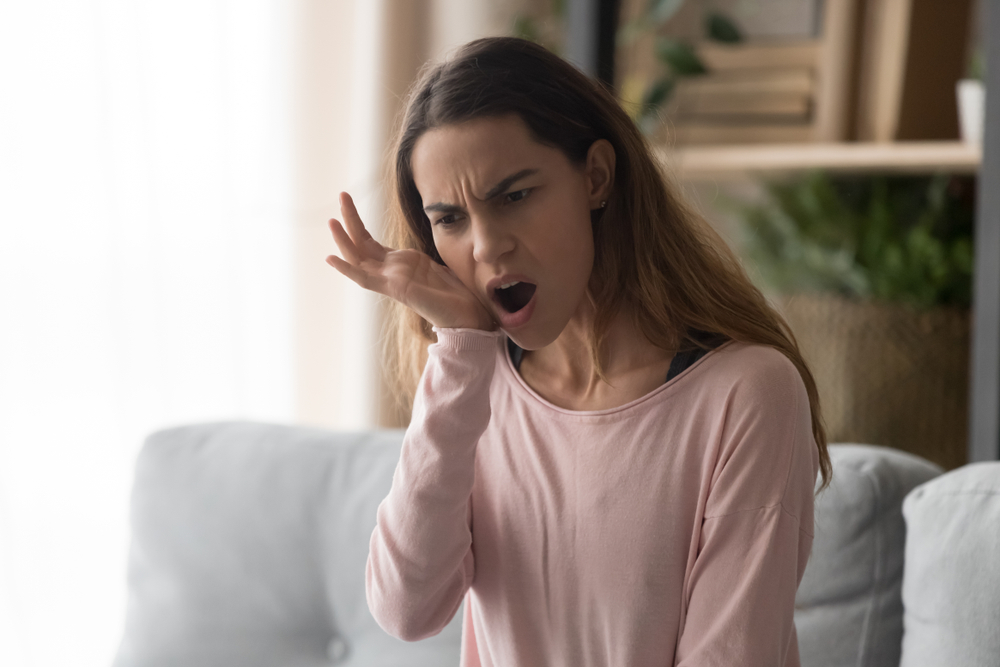 You expected your tooth to feel better after having a cavity repaired—so why does it suddenly hurt when you drink cold water or bite into lunch? Mild sensitivity after a filling is common, but certain types of pain may mean the tooth needs another look.
Kenneth Egger, DDS, has served Mount Pleasant, MI, through his solo dental practice since 1996. A University of Michigan School of Dentistry graduate and recipient of the Raymond Hayes Award in undergraduate endodontics, Dr. Egger provides fillings and a broad range of general dentistry services.
Is Tooth Sensitivity After a Filling Normal?
A filling requires your dentist to remove damaged tooth material and repair the space left behind. The inner tissues may become temporarily irritated during this process, especially when the cavity was deep or close to the nerve.
You might notice brief sensitivity when your tooth is exposed to:
- Cold drinks or foods
- Hot temperatures
- Sweet foods
- Pressure from biting
- Brushing or flossing
Mild symptoms that gradually improve are usually less concerning. Ongoing discomfort deserves an evaluation.
Why Does My Filling Hurt When I Bite Down?
Pain that mainly occurs while chewing may mean the filling is slightly too high. Even a small height difference can cause the filled tooth to receive more pressure than the surrounding teeth.
Your dentist may be able to correct the problem by gently reshaping the filling. This adjustment is typically brief, but you should not try to “wear down” a painful restoration by continuing to chew on it.
Discomfort during biting can have several causes, including irritation around the tooth or, less commonly, a crack. Cracked teeth may cause pain while eating, particularly when you release biting pressure, as well as sensitivity to temperature changes.
When Could Pain Point to a Nerve Problem?
A deep cavity may have irritated the pulp before the filling was placed. In some cases, the tissue recovers after the decay is removed. In others, inflammation may persist, or bacteria may already have reached the inner tooth.
Contact your dentist if you experience:
- Throbbing or spontaneous pain
- Pain that wakes you at night
- Sensitivity that lingers after heat or cold
- Swelling near the tooth or jaw
- A bad taste or drainage
- Pain that becomes more intense
What Should You Do About Pain After a Filling?
Avoid chewing hard or sticky foods on the affected side while the tooth settles. Continue brushing and flossing carefully, and follow any aftercare instructions provided by your dentist.
Do not ignore pain that is severe, worsening, or lasting longer than expected. A dental examination can determine whether the filling needs adjustment or another form of care is needed.
Find Relief From Tooth Pain in Mount Pleasant
Some sensitivity after a filling may be temporary, but persistent pain should be checked before it interferes further with eating, sleeping, or daily activities. Current patients who are concerned about their symptoms can call the Mount Pleasant office of Kenneth Egger, DDS, at 989-773-3560 to arrange an evaluation.